


-

- Journal
-
Articles
Biomaterials for garden products
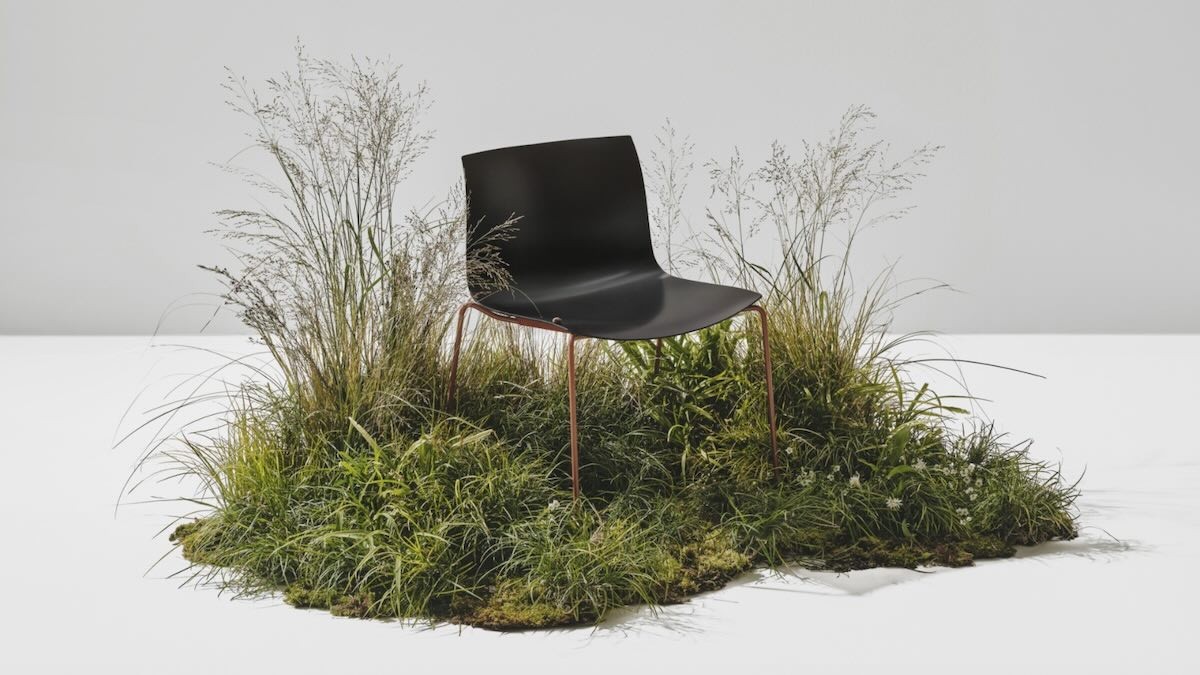
New generation of biomaterials
Dear Sascha Peters, with your Berlin-based agency Haute Innovation, you keep an eye on the latest material trends. What developments are you currently seeing in terms of sustainable outdoor materials?
We are currently seeing a desire to use renewable materials in all areas where products, textiles, and furniture are used in natural environments. Customers would like to avoid synthetic plastics, but without compromising on quality. The challenge here is that renewable materials have not yet been able to cope with extreme outdoor conditions involving moisture and significant temperature differences. A new generation of highly developed biomaterials is now providing a solution.

Prof. Dr. Sascha Peters. © Haute Innovation
Textiles made from banana fibers
What materials come to mind?
First and foremost are textiles made from particularly resistant fibers from tropical regions. The fibers from coconut husks or banana leaves are exposed to extreme moisture, which makes them suitable for outdoor applications. One example that comes to mind is Bananatex, a technical textile from Swiss bag manufacturer Qwstion that is woven entirely from twisted banana fibers and treated with wax to make it particularly durable. The fibers come from the Philippines and are used to make seating furniture, among other things. Since no plastics are used, the material can be returned to the biological cycle.
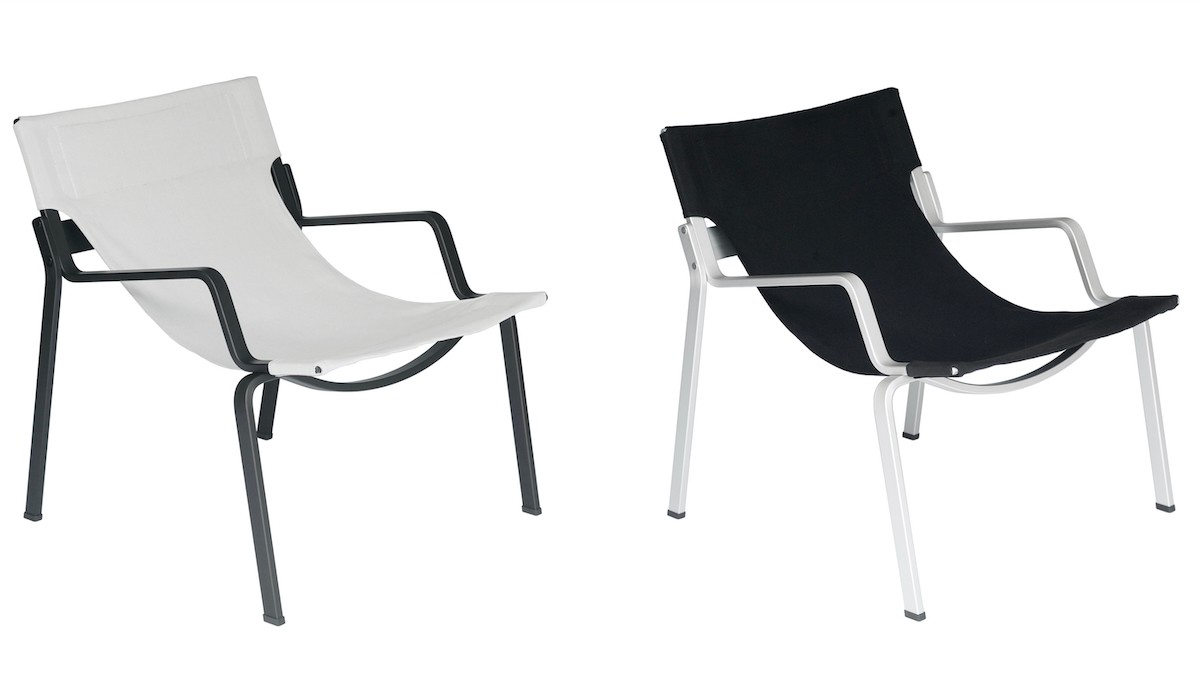
Ensō armchair made from recycled aluminum and plant fibers. © QWSTION + Lehni
Paper instead of plastic
Can you give us some more examples of materials?
Another plastic-free material innovation that would be suitable for outdoor furniture and products is PaperShell, which comes from Sweden. The material is already being used for seat shells and consists entirely of compressed kraft paper and a type of plant-based resin that is also derived from wood cellulose. Depending on the design, it can replace aluminum and is an ideal alternative to glass fiber reinforced plastics. At the end of the product's life, the material can be converted into biochar through pyrolysis and used to improve soil quality in the garden.
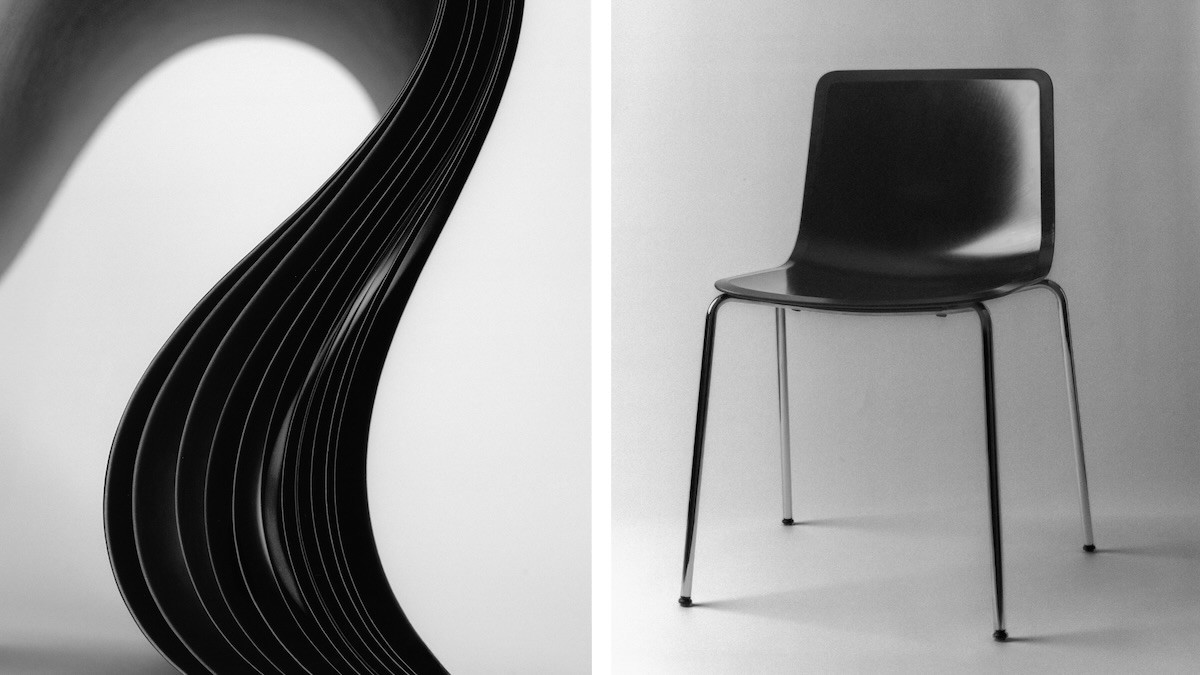
Developed for the circular economy: Pato Paper Chair made from biogenic PaperShell. © Fredericia Furniture
Biodegradable plastic
What other alternatives are there to conventional materials?
A third type of material that is particularly suitable for outdoor applications is the bioplastic PHA. It is produced by bacteria and is naturally biodegradable. This bioplastic is comparable to conventional plastics used in outdoor garden products. However, the big advantage is that the material decomposes in the environment without leaving any residue or microplastics behind.
Are there any restrictions on texture or colour with such materials?
When a new bio-material is launched on the market, textures and colours are usually not as widely available as with synthetic plastics. As we know, anything is possible with the latter. However, the longer a material is available on the market, the more diverse the possibilities become—that's a completely normal process. So you need a little patience.
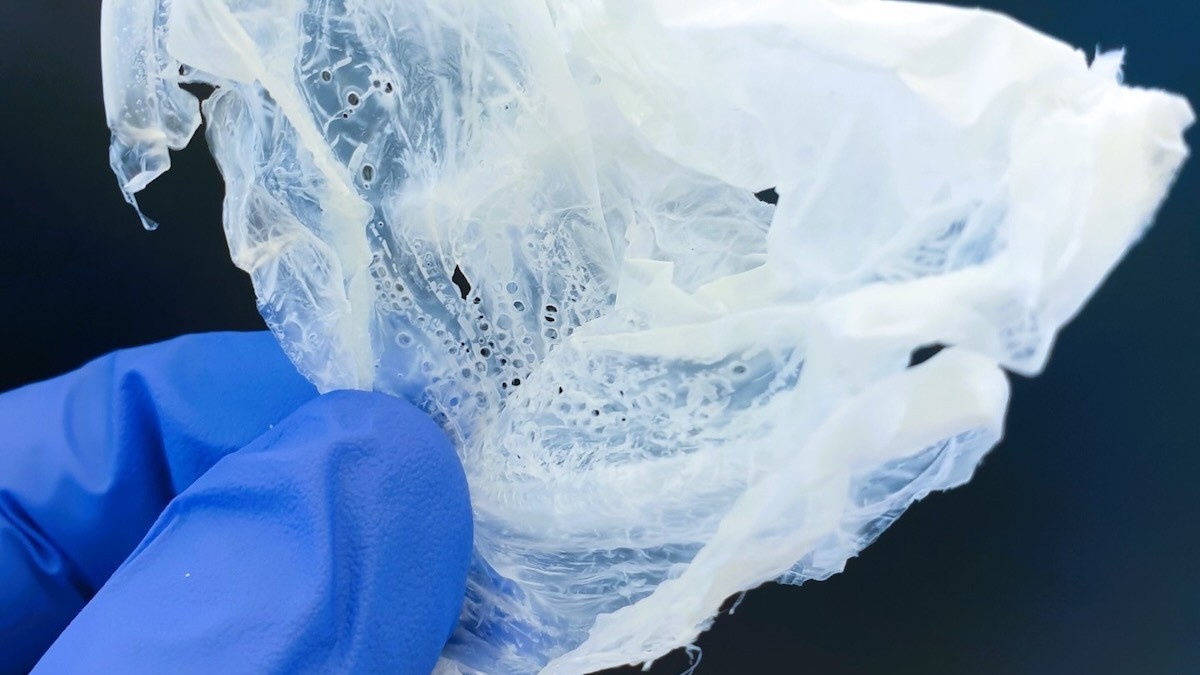
The plastic Polyhydroxyalkanoate (PHA) is produced from organic acids. © Fraunhofer IGB
Circular future in the outdoor sector
Recycled materials have been used in garden furniture and plant pots for some time now. Where do you see the next step towards a circular economy?
Even with recycled plastics, there is a risk that particles of these materials will remain in the soil or the natural environment. Alternatives with similar properties to conventional plastics already exist. Plant pots made of polystyrene could, for example, be replaced by those made of coconut fibers. As a scientist at the Fraunhofer IPT in Aachen, I supervised a thesis on this topic in 2001 – so this is not a new idea.
What are some forward-looking examples of recyclable materials?
Another alternative is Golden Compound. The material consists of the bioplastic PBS, which has been reinforced with fibers from sunflower husks. Plant pots made from this material look like plastic and can also be processed in the same way. The big difference, however, is that the material decomposes in the soil, so a plant can simply be planted in the garden with the pot – this is what the future of materials in the outdoor sector should look like.
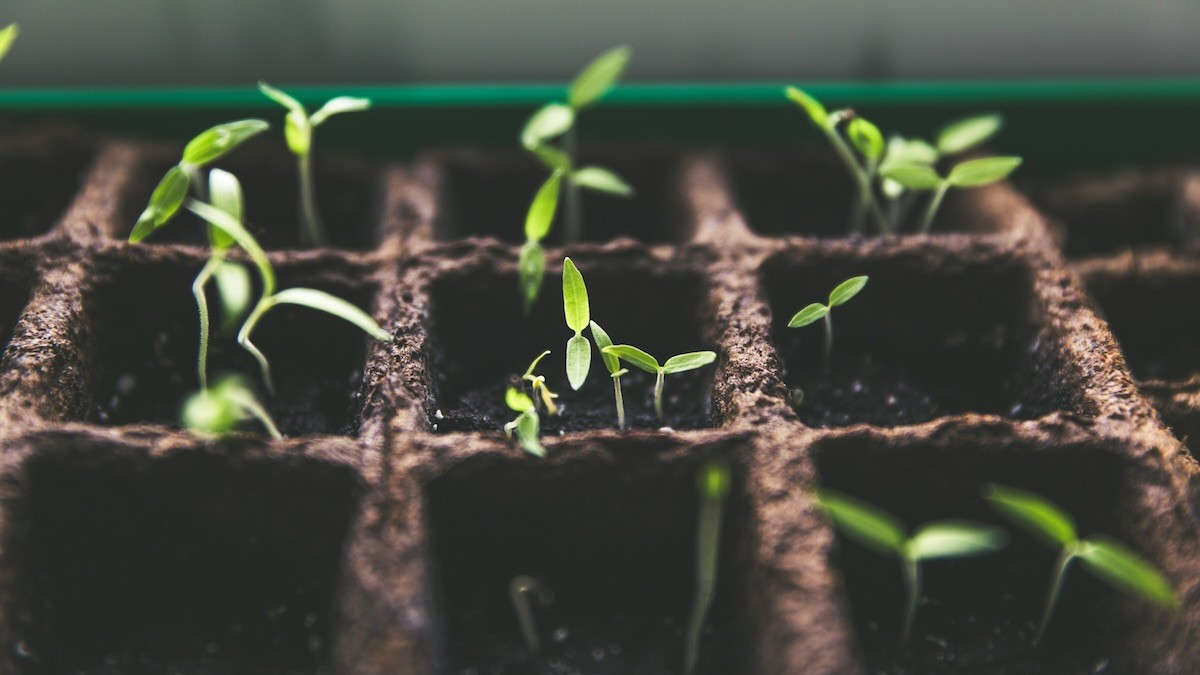
Circular future: biodegradable material decomposing in the soil. © Photo: Markus Spiske on unsplash


Author
Leif Hallerbach