


-

- Journal
-
Articles
New EU directives for garden products
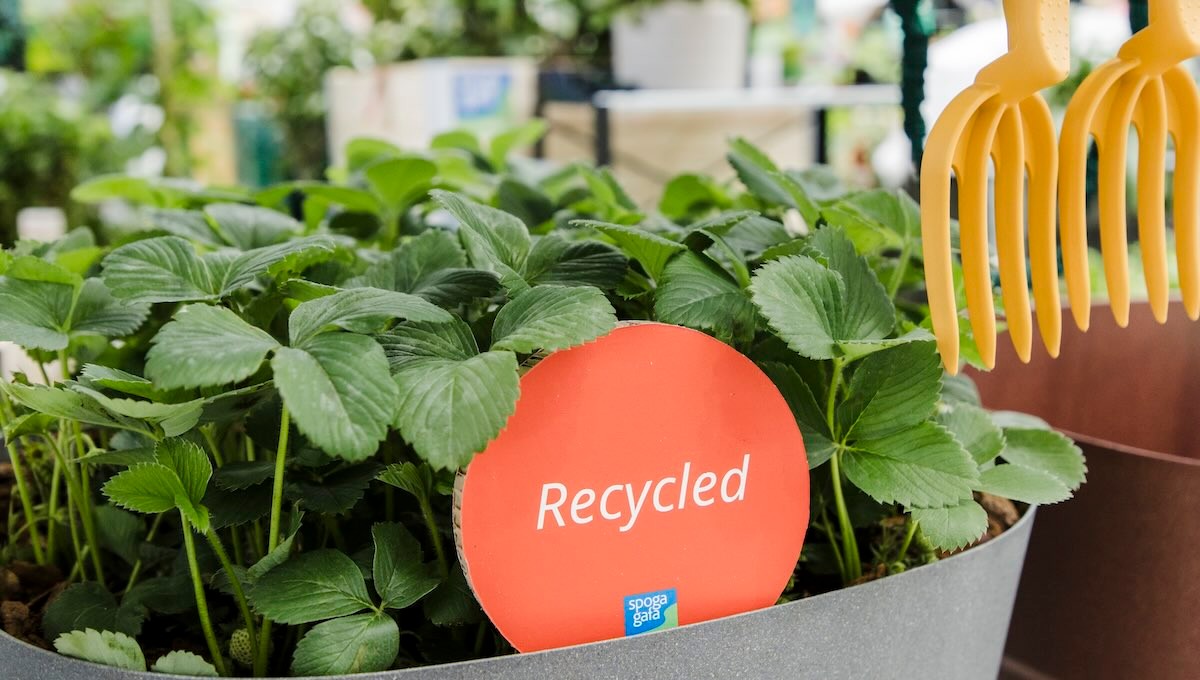
No data, no statement
No statement without reliable data: This is the basis of an EU requirement for environmental claims in product advertising that will come into force in 2026. The Empowering Consumers Directive was adopted at the beginning of 2024. It aims to make the labeling of sustainable products in retail more transparent. General statements such as “environmentally friendly” in product advertising must therefore be substantiated with “recognized outstanding environmental performance.” The provisions of the directive will apply in EU member states from September 27, 2026.
More confidence for trade
The green industry has long been committed to environmentally friendly solutions. This is evident, among other things, in the increased use of recycled materials, peat-free soils and organic substrates, and reusable systems for transporting plants. The new EU directive is intended to further strengthen the confidence of environmentally conscious consumers. By September 2026, all statements on sustainability must comply with the new requirements. The rules apply not only to product packaging and traditional advertising, but also to online retail.
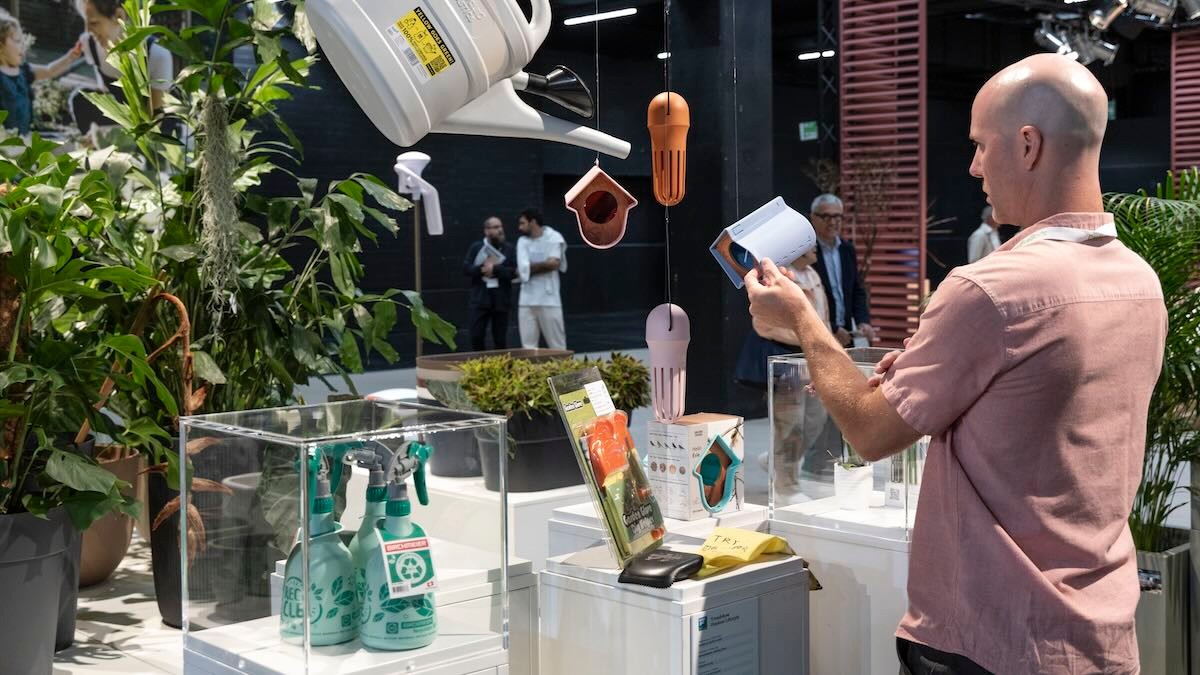
The confidence of environmentally conscious consumers is to be strengthened in the EU. © Koelnmesse GmbH
Check product advertising now
Those who can credibly substantiate their environmental claims have a competitive advantage—whether in online shops or directly at the point of sale. This is because more and more people are paying attention to ecological aspects when furnishing their gardens. Under current law, advertising with such sustainable arguments is already subject to high requirements. Nevertheless, it makes sense for companies in the gardening trade to review the communication on their products and in their advertising with a view to future compliance with the new EU directives.
Supplementary directive for 2027
The Empowering Consumers Directive is to be supplemented by another initiative at EU level: the Green Claims Directive aims to have statements such as “environmentally friendly” or “sustainable” verified by independent third parties in future. This means that such terms must not only be comprehensible, but also scientifically verifiable and clearly substantiated. In addition, all sustainability labels will have to be based on a certification system or be state-approved in the future. The directive is currently being discussed in the EU Parliament and is expected to come into force in 2027.
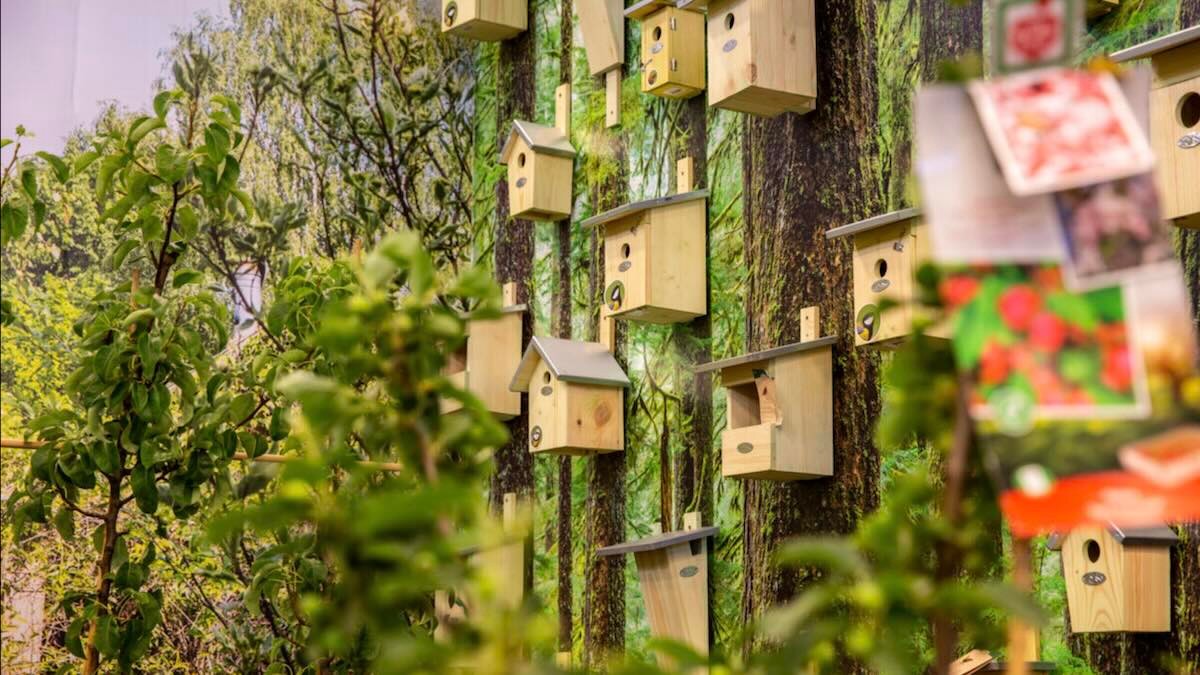
The EU Deforestation Regulation will come into force in 2026 for processed wood. © Koelnmesse GmbH
Potential additional expense for companies
Both EU directives set out clear criteria for how companies must substantiate their environmental claims in future. In principle, they should apply to all companies operating in the EU. However, there are some exceptions or simplifications for small and medium-sized enterprises. In the green sector and the garden trade, the new regulations may mean additional work, particularly in terms of adapting products, digital processes, or advertising measures. On the other hand, the aim is to provide better information, which will ultimately make products more attractive.
New deforestation regulation
The European gardening and DIY industry should also keep an eye on another date in 2026: on December 30, after a twelve-month postponement, the EU Deforestation Regulation (EUDR) will come into force. The aim of this regulation is to ensure that only goods produced in a “deforestation-free” manner enter the EU. Wood as a raw material and in processing – for example, in garden furniture – must therefore come from a forest that has not been damaged since December 31, 2020. Companies that make the product available on the EU market for the first time thus have extensive due diligence and research obligations, including the geolocation of all properties on which the wood was felled. Smaller companies have until the end of June 2027 to implement the regulation.

Autor
Leif Hallerbach