
The Trend toward Zero Waste Gardening
greensight trendsCreation & Care
21.08.2026
2 min
by Leif Hallerbach
Zero-waste practices in the garden focus on reuse and waste prevention. Why this approach is gaining more and more followers, and what solutions the gardening industry offers.
Zero Waste as a global approach
Zero Waste is an approach that is becoming increasingly popular, and not just in the green sector. The concept gained widespread recognition primarily through restaurants like the Silo in London: even its interior design is geared toward producing no waste. It has since evolved into a global movement with regional networks that annually observe “Zero Waste Day”: Every year on March 30, activities are organized to encourage waste prevention and resource conservation. The European Zero Waste Network outlines several guiding principles for this. These include the use of renewable resources and circular production systems, as well as the extraction of raw materials from recycled materials.
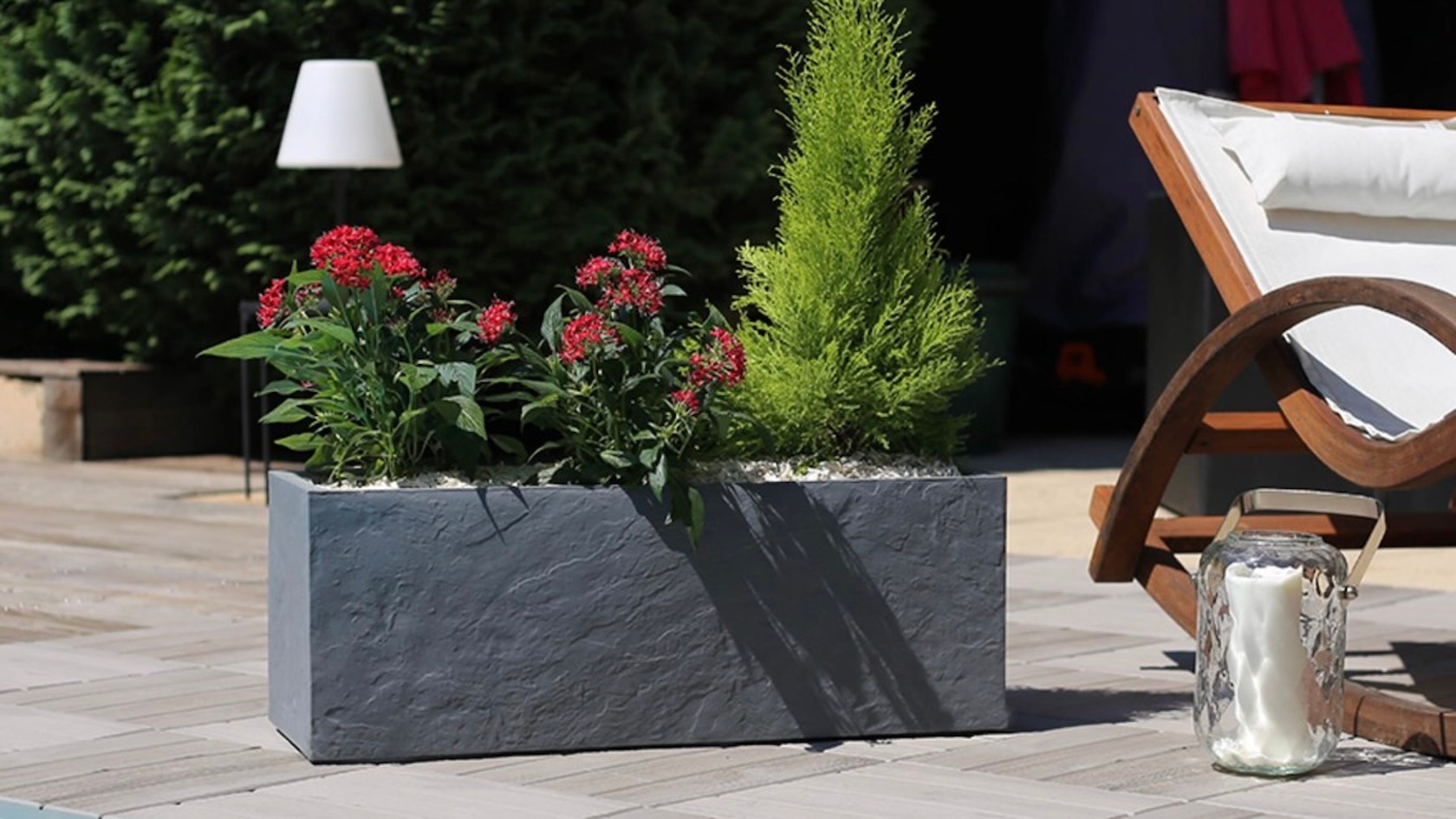
In 2026, the French company Groupe EDA received the European MORE label for recycled plastics. © EDA
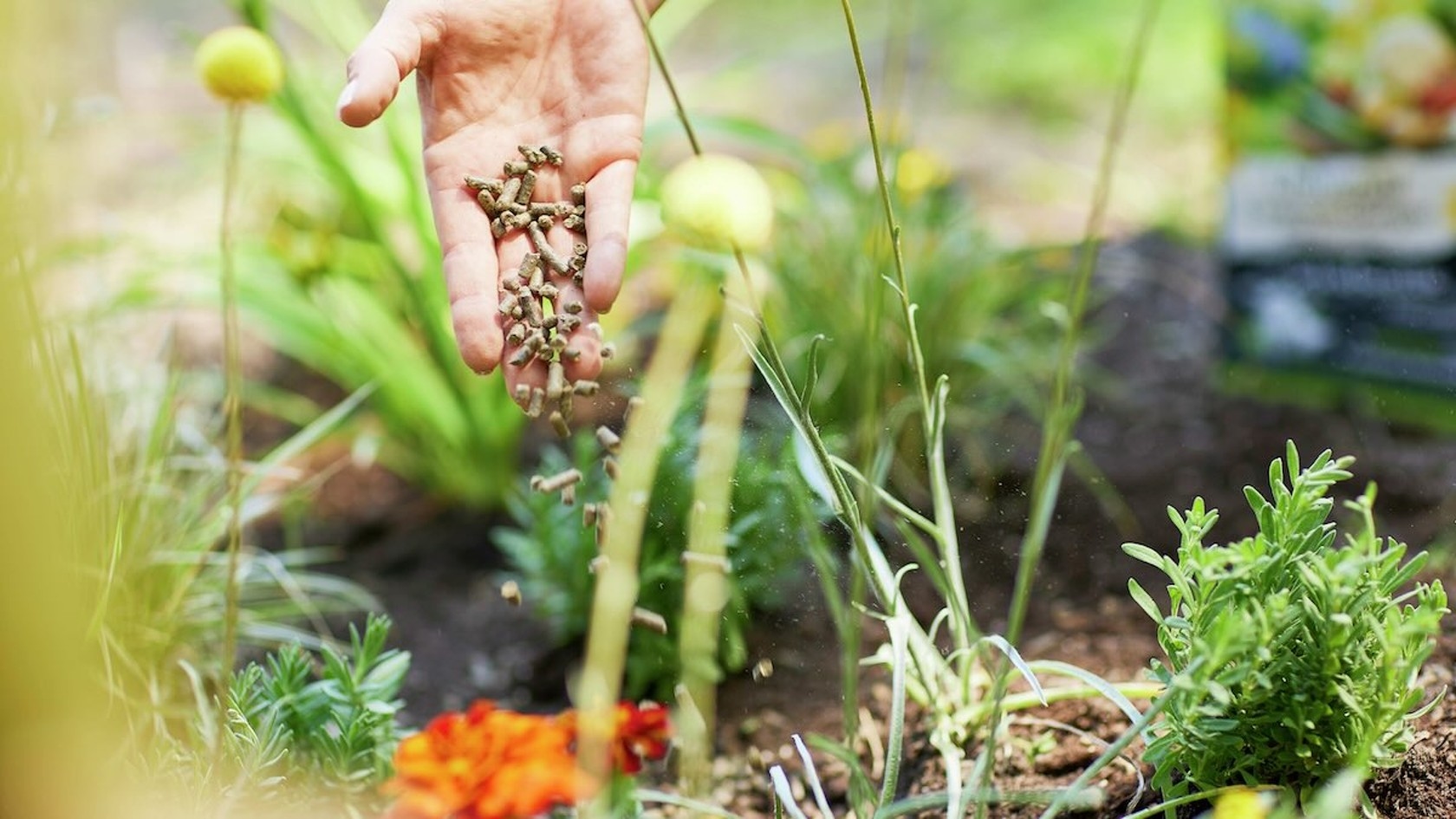
COMPO's slow-release fertilizer made from sheep's wool was optimized in 2026. © COMPO
Material recycling vs. disposable products
Many companies in the green industry have integrated such waste prevention strategies into their sustainability plans. As a result, recycling has long been an integral part of product manufacturing. Materials such as PET from post-consumer waste do not end up in landfills but are reused in new planters and flower boxes. In addition, efforts are underway to gradually reduce the use of plastics in gardening and to increasingly rely on natural or particularly durable materials. To prevent overproduction and waste, natural fibers are also blended with plastic, or the colour selection for new collections is limited.
Natural garden care
When it comes to gardening itself, the zero-waste philosophy aims for a natural cycle. This is supported, among other things, by organic soil and plant care products. Organic slow-release fertilizers, for example, use sheep’s wool scraps. This animal-based material has an exceptional ability to retain water and provides plants with essential nutrients such as nitrogen, potassium, and phosphate. Other natural products, such as water-retaining granules, plant protection products made from orange oil, or coconut-based growing medium tablets, are also free of synthetic substances and biodegradable.
Less waste, more compost
Composting is a proven solution for zero-waste gardening and one of the most important foundations of sustainable waste reduction. Studies show that about 40 percent of household food waste could be composted instead of thrown away. Kitchen and yard waste can be used to improve soil quality and plant growth. Practical composters for indoor and outdoor use are therefore available in a wide variety of designs and materials. For faster results, there are worm composters or systems for hot composting. This makes year-round composting possible even indoors and naturally reduces the amount of waste sent to landfills.
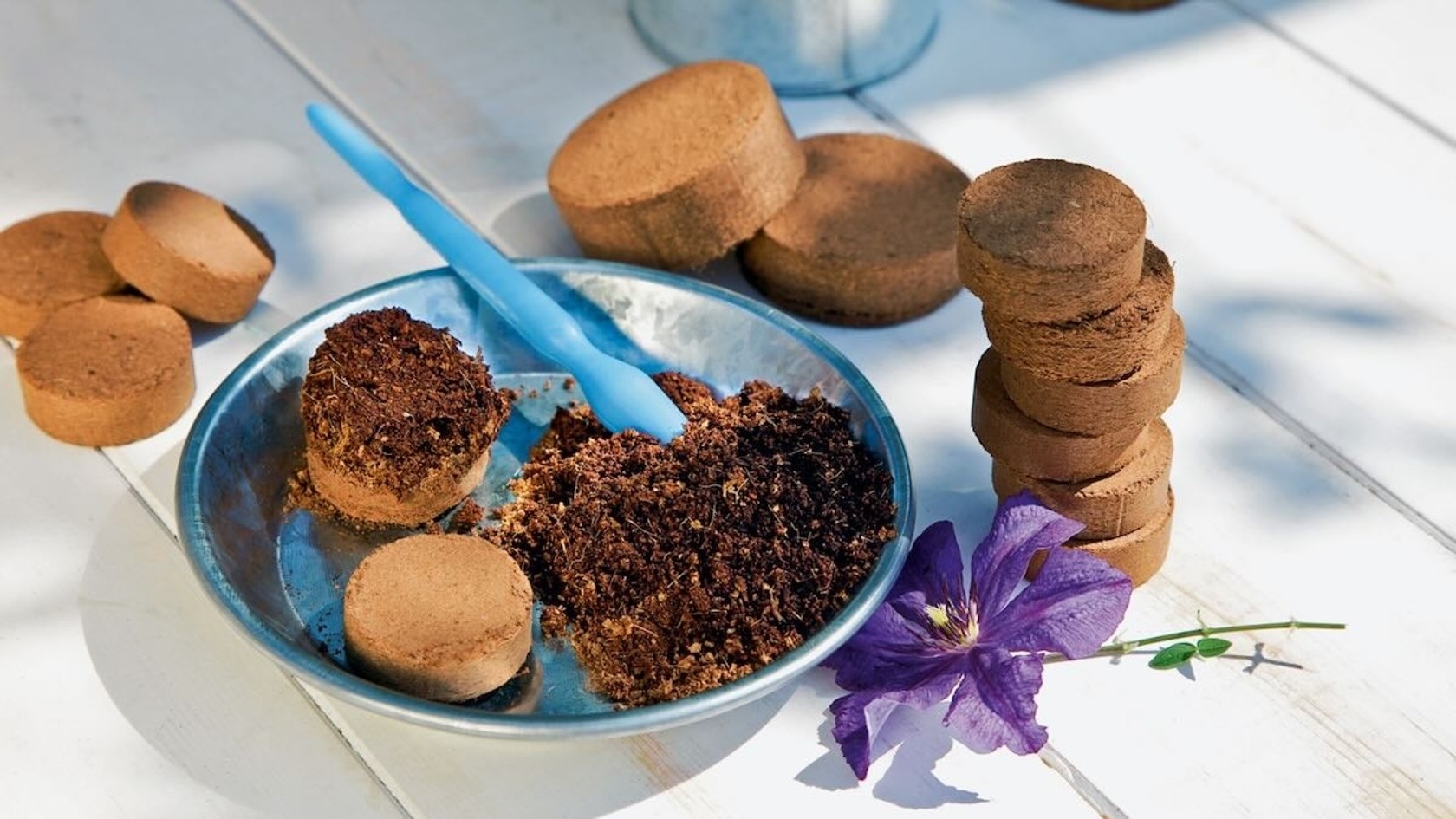
Grow Tabs: coconut-based growing medium pellets for plant propagation. © Romberg
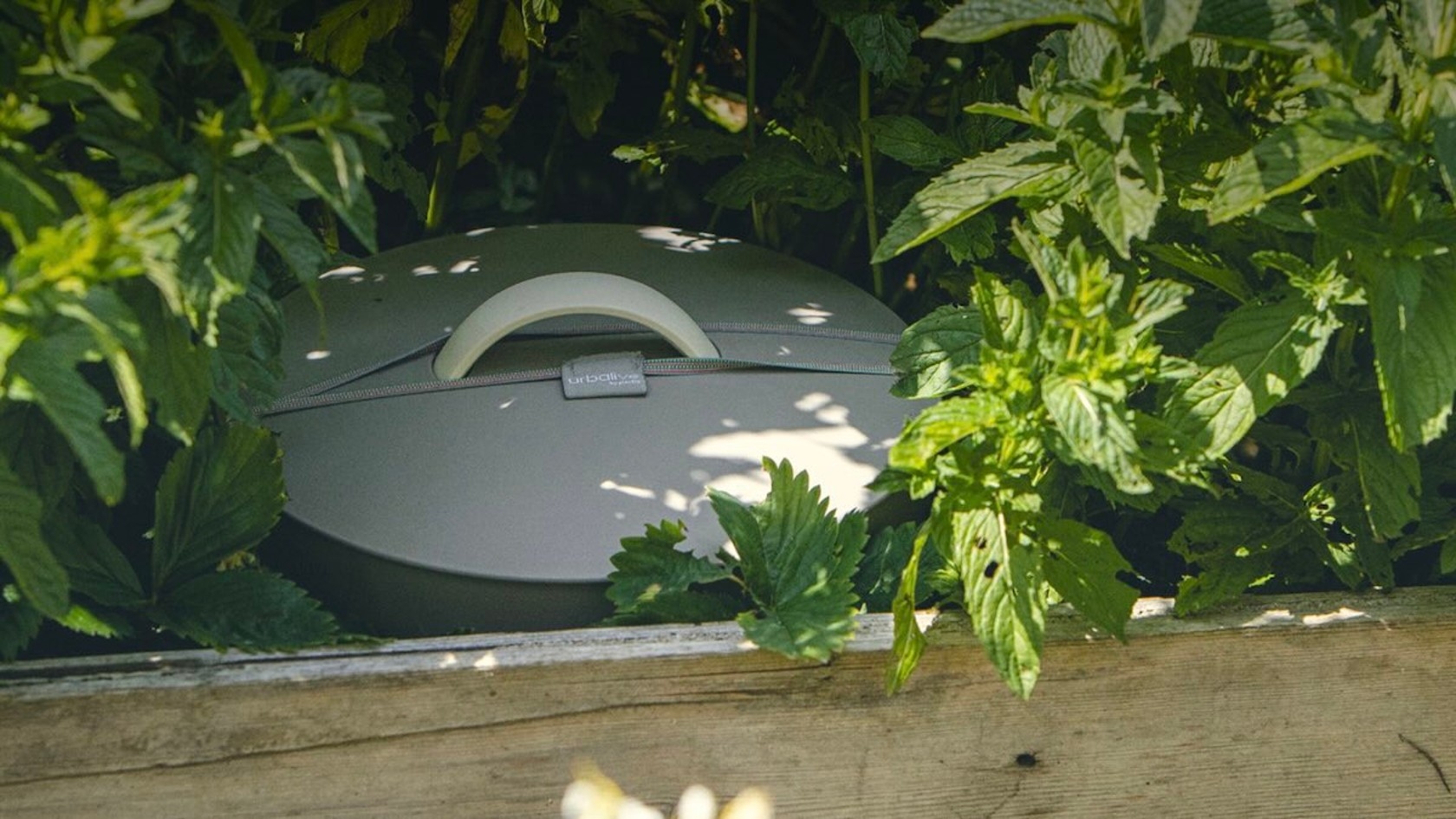
Worm compost bin for burying in raised beds from Plastia. © Plastia
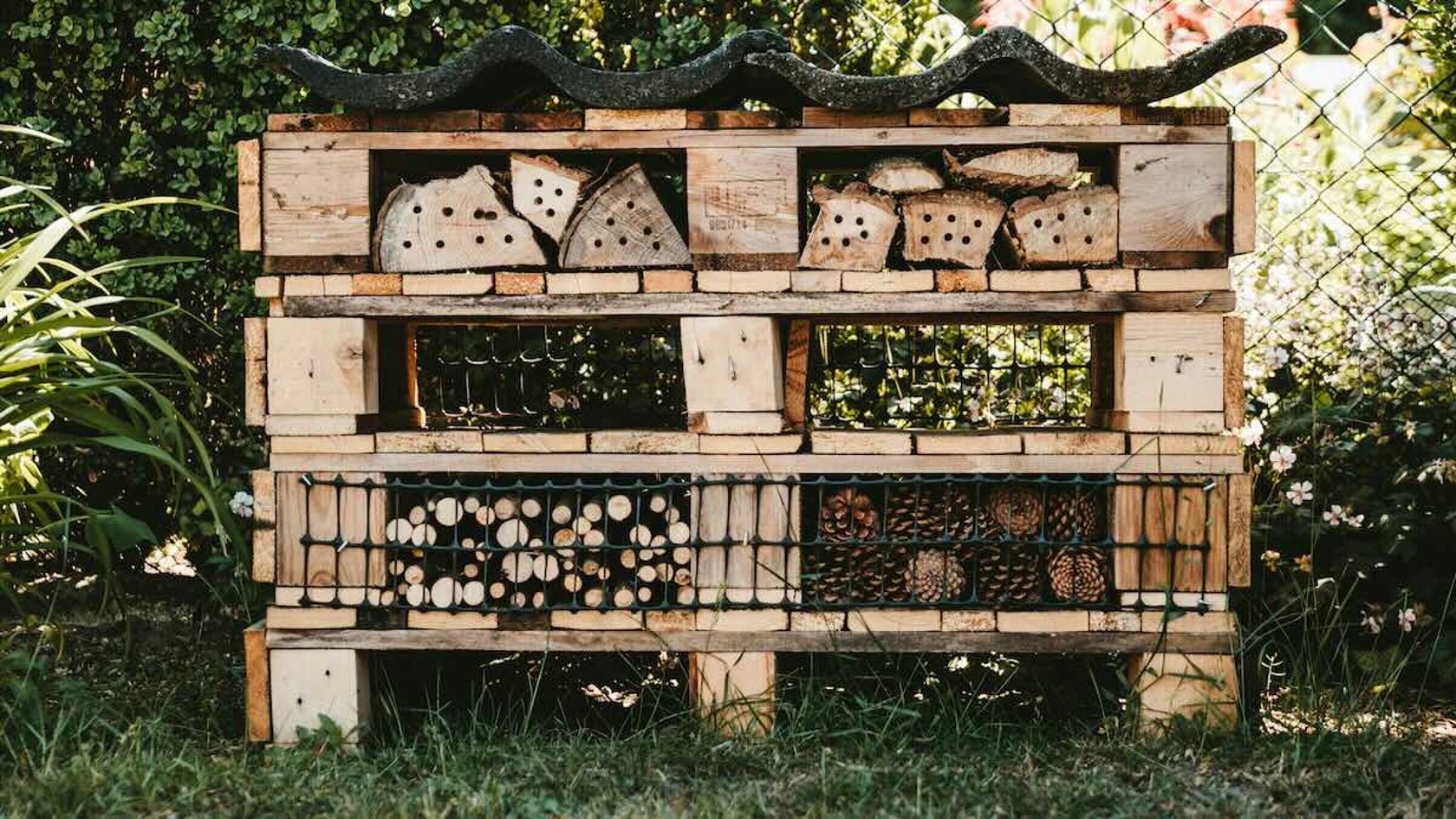
Functional design can emerge from what appears to be trash. © photo by Mika Baumeister on Unsplash
Get creative with upcycling
Reusing and repurposing used items offers a creative way to reduce waste. Whether it’s planters made from old wooden pallets, herb walls made from metal mesh, or mini greenhouses made from glass bottles—many discarded items can be repurposed for the garden. You can also use old bricks and other discarded building materials to structure and define your outdoor space in a resource-efficient way. The gardening industry provides plenty of upcycling ideas through DIY workshops at garden centres and home improvement stores, as well as blogs offering inspiration and practical tips for do-it-yourself projects. In this way, seemingly useless waste is transformed into unique, functional outdoor designs.
The trend toward eco-friendly gardening
As part of a growing trend toward environmentally friendly and resource-efficient gardening, zero-waste gardening continues to gain popularity. This is evident not only in the rising demand for environmentally friendly and resource-efficient products, but also in the enduring popularity of DIY projects and growing one’s own herbs and vegetables. Initiatives such as European Week for Waste Reduction are also gaining popularity. Across Europe, thousands of participants from business, industry, and other sectors now take part in this annual event. In November 2026, the initiative will once again draw attention to the sustainable use of resources through a variety of activities, demonstrating that everyone can make a difference in their daily lives.