
Garden retail is getting smarter
greensight businessRetail
21.05.2026
2 min
by Leif Hallerbach
Shopping habits in the garden retail sector are changing. Smart shopping and the integration of online and offline channels are creating new customer experiences. At the same time, expectations regarding product presentation are evolving.
Strengthening the point of sale
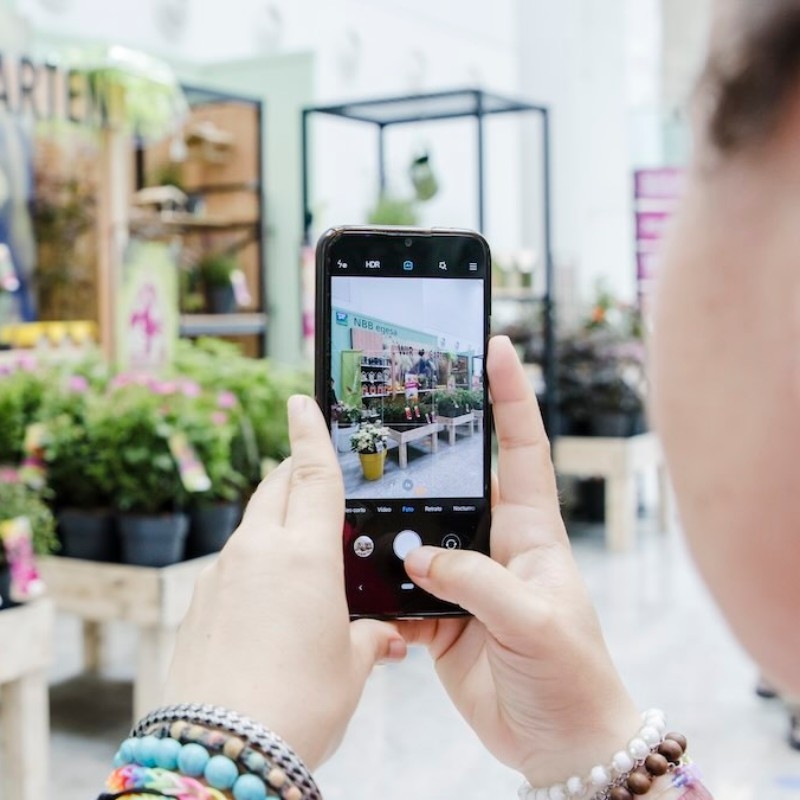
How can garden and outdoor products be presented in a way that is quick, easy to understand, emotionally engaging and offers functional added value? This is the challenge facing garden centres and DIY stores in the age of smart stores and e-commerce. Whilst online retail continues to grow, smart shopping is transforming consumer behaviour in the retail sector. “Online and offline are merging more and more, and omnichannel is gaining in importance,” observes Christian Heß, Head of Retail Sales & Site Development at German retail company hagebau. With its own omnichannel strategy, the company is enhancing the shopping experience at the point of sale. “This is achieved through digital offerings in-store, such as electronic shelf labels, digital project planners or self-checkout, combined with bookable home services,” says Christian Heß.
Data for greater measurability
Mit digitalen Features gestalten auch andere Handelsgrößen den stationären Einkauf komfortabler und serviceorientierter. Die Angebote sind dabei standortbezogen, in Echtzeit verfügbar und schaffen ein Einkaufserlebnis über verschiedene Kanäle hinweg. Das gelingt zum Beispiel mit App-Couponing und eigenen WhatsApp-Kanälen. Die Garten- und Baumarktkette OBI möchte den Point of Sale mit präzisem Targeting und smarter Daten-Intelligence steigern. Ein Pilotprojekt in ausgewählten Märkten setzte Screens für Video-Ads unter anderem im Sortimentsbereich Garten ein. Die Screens waren mit Sensorik ausgestattet, mit der Kundenfrequenzen und Views erfasst wurden – ein Schritt hin zu mehr Messbarkeit im Retail-Media-Bereich.
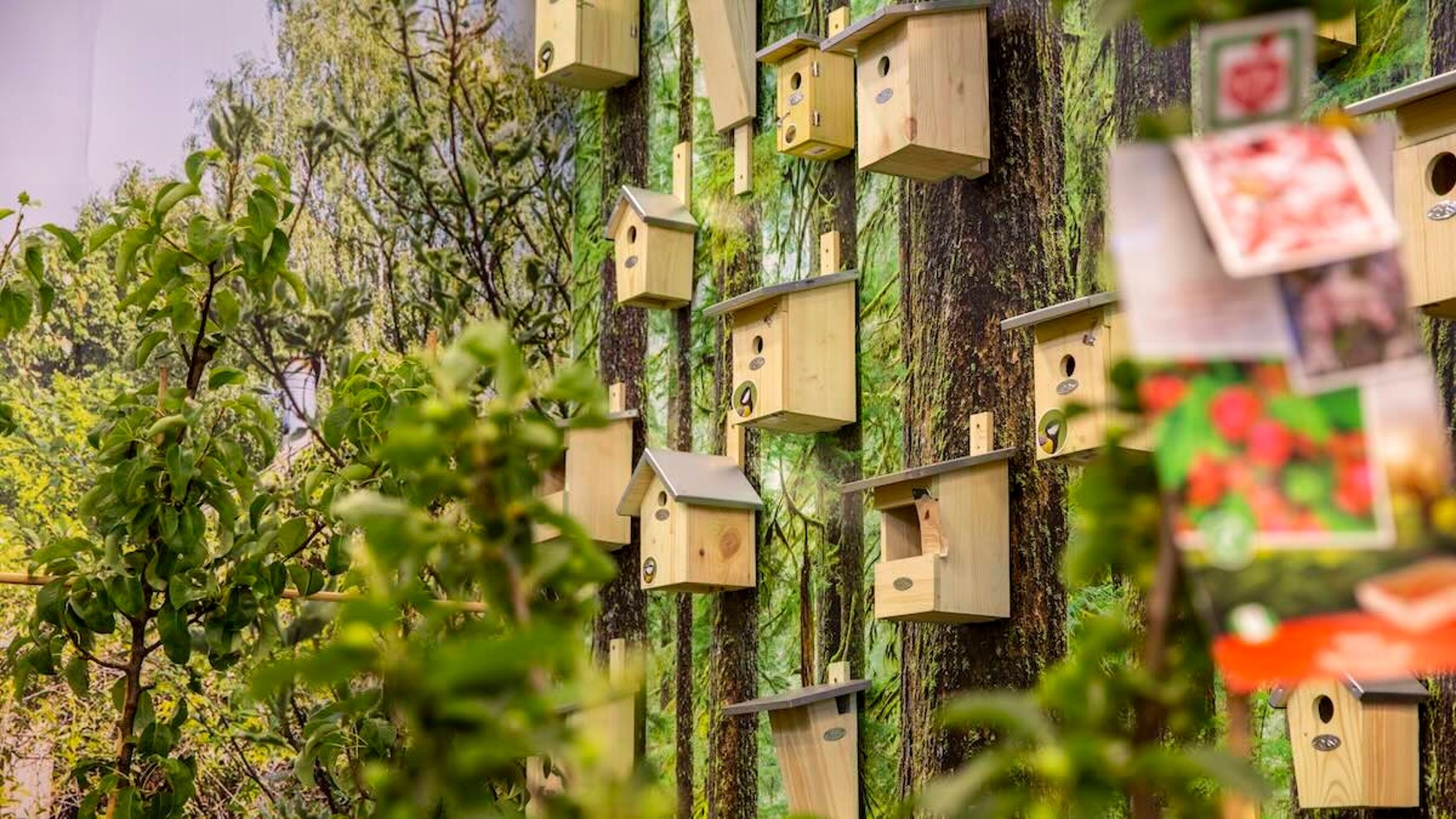
The shopping experience at the point of sale is being optimised and further developed. © Koelnmesse GmbH
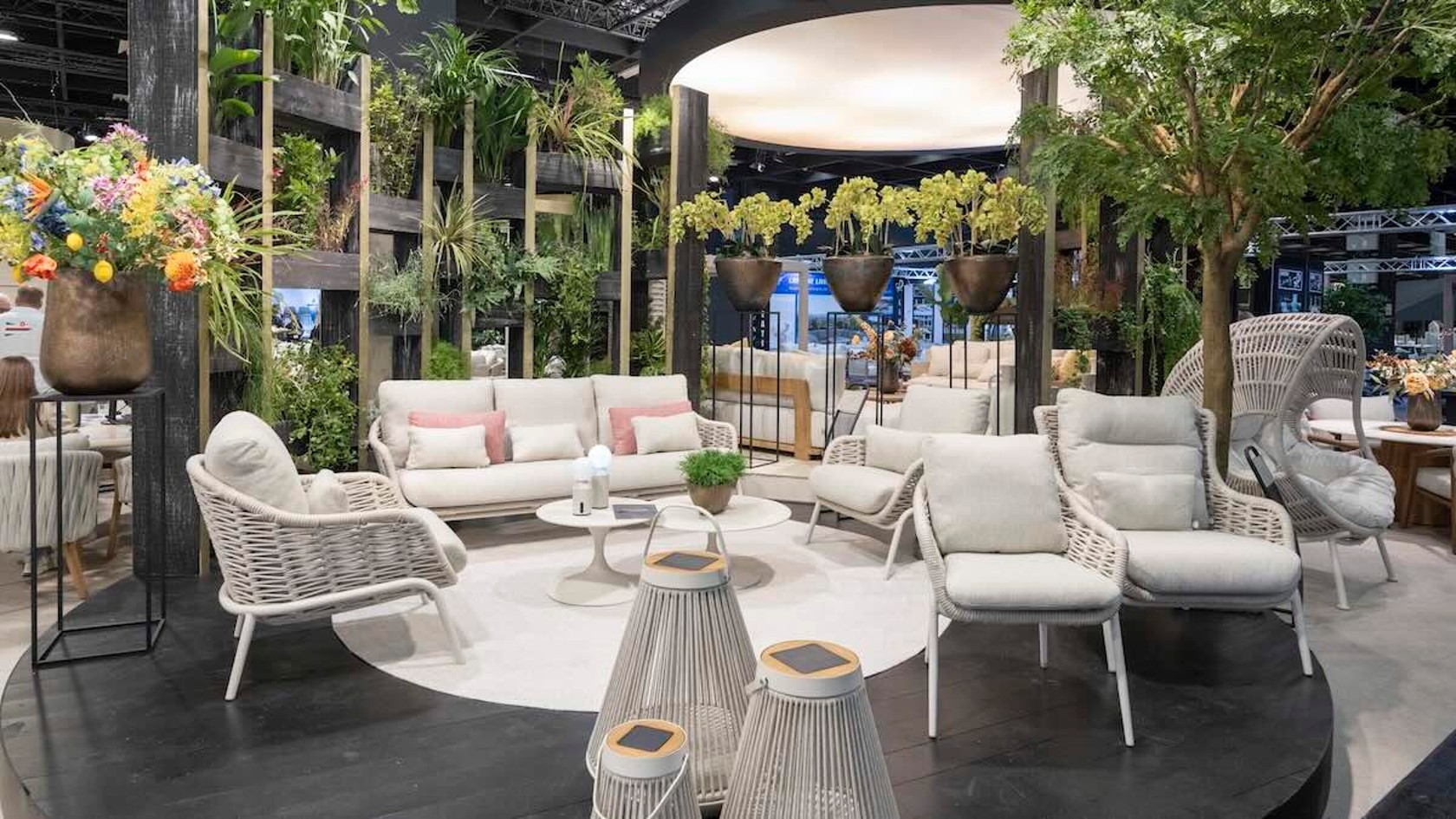
Outdoor living is becoming increasingly important in retail strategy. © Koelnmesse GmbH
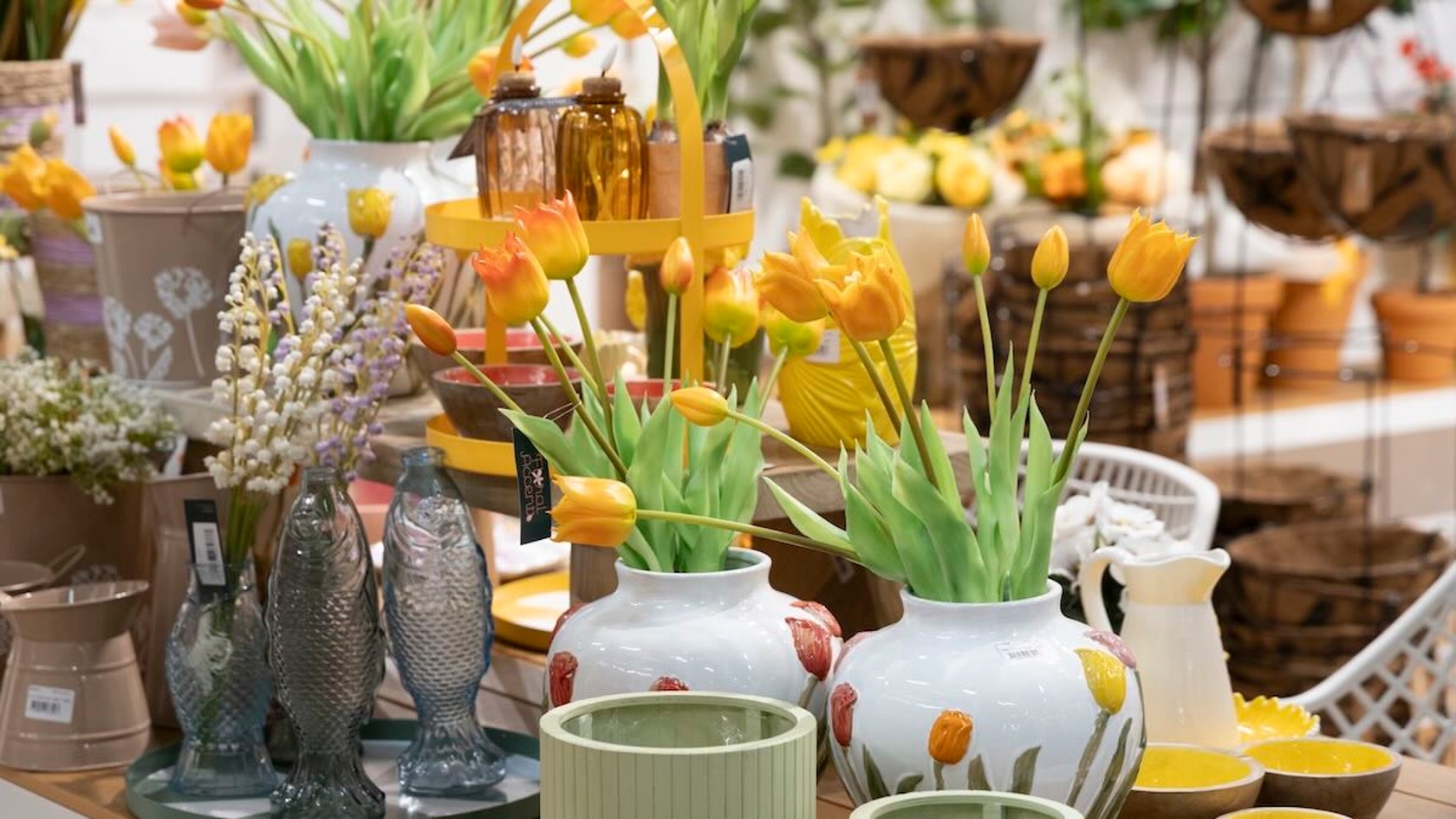
Spaces that appeal to the emotions are the future of retail. © Koelnmesse GmbH
Smart store systems
The growing integration of technology into the shopping experience is also evident in smart in-store systems that integrate customer databases and related information. These enable retailers to offer personalised product recommendations based on customer preferences. They can also optimise the customer journey by recommending the most efficient route to the products customers wish to purchase. In China, where AI-powered direct-to-consumer platforms are also playing an increasingly significant role, such smart retail systems are already being implemented and further developed in the garden retail sector.
More efficient with AI
As well as improving the shopping experience, garden retailers are exploring new technologies to boost their own efficiency. “There has been the use of AI to help creating more accurate budgets and therefore stocking timings and quantities,“ says Peter Burks, Chief Executive of The Garden Centre Association. “The planning of rotas for the shop floor is now commonly done by AI, matching sales profiles to staffing levels.“ He also notes that, in garden centres across the UK, touchscreens, QR codes and apps are improving service in the restaurants, thereby increasing the average transaction value – “a real unpredicted positive outcome,“ says Peter Burks.
Outdoor living as a sales strategy
As technology continues to advance, customer expectations are also changing. Outdoor spaces are increasingly seen as an extension of the home. As a result, the concept of outdoor living is becoming ever more important in terms of sales and product range strategy. Both online and offline, it is therefore no longer enough to simply present individual products. Instead, there is a demand for concrete solutions for outdoor spaces that are easy to understand, visually appealing and offer a clear value proposition. At the point of sale, the presentation of larger spatial and project contexts is thus becoming increasingly important.
The Garden Centre: A Place to Explore
Despite the rise of e-commerce, high street retail remains popular for the shopping experience it offers. Whilst online channels dominate sales of garden furniture, barbecues and tools, garden centres are still in demand when it comes to plants and gardening. British retail expert Mary Portas attributes this to the physical format. In her speech at the 2026 annual conference of the British Garden Centre Association, she explained why garden centres embody the values of modern consumer behaviour. “Rooted in nature, wellbeing, patience, and growth, they encourage participation, not passive consumption,” said Portas. They complement the convenience of online shopping with the sensory and emotional richness of physical spaces.
Spaces with added value
The future of retail lies in emotionally engaging spaces that integrate new technologies, thereby encouraging discovery and interaction. The upcoming spoga+gafa will highlight the opportunities available to the garden retail sector as a whole. The new Digital Garden Stage will shed light on precisely these developments: experts will demonstrate how digital strategies can be successfully implemented in day-to-day business operations – in both brick-and-mortar retail and e-commerce. From 22 to 24 June 2026, the leading trade fair for garden lifestyle and BBQ will also showcase new themed and experiential worlds, providing a wealth of inspiration for modern shop layout concepts and product range design.