
Gen Z and the Gardening Boom
greensight trends
25.09.2026
2 min
by Leif Hallerbach
Gen Z is discovering its green thumb: More and more young people are getting into gardening. Whether in an allotment garden, on a city balcony, or in the backyard—gardening is trending as a healthy leisure activity. In addition to relaxation and a break from everyday life, topics such as self-sufficiency also play a role.
A garden shovel, not a smartphone
Gardening has long been considered a hobby for older people. After all, it seems that seniors, in particular, have the time and dedication to spend time outdoors. However, new studies show that Gen Z is also increasingly discovering the benefits of gardening. It’s enjoying growing popularity among people in their 20s and early 30s. This may come as a surprise, since “digital natives” are considered the first generation to have grown up in the digital age and with social media, and are thought to prefer virtual spaces over natural ones. So why is this generation, of all others, trading in their smartphones and tablets for garden shovels and rubber boots?
Inspiration from influencers
At second glance, it’s not a contradiction that Gen Z—a generation raised in the digital age—is discovering gardening for itself. After all, social media is a major contributor to the growing popularity of gardening. With elaborately produced Reels on Instagram, Pinterest, TikTok, and other platforms, many young people are showcasing their green outdoor spaces and the fruits of their gardening labor. Blog posts and life hacks offer practical tips and demonstrate, for example, how to turn a balcony into a green oasis or how to grow fresh herbs and vegetables at home. International gardening blogs run by young influencers now reach over a million followers, inspiring them to take up gardening themselves.

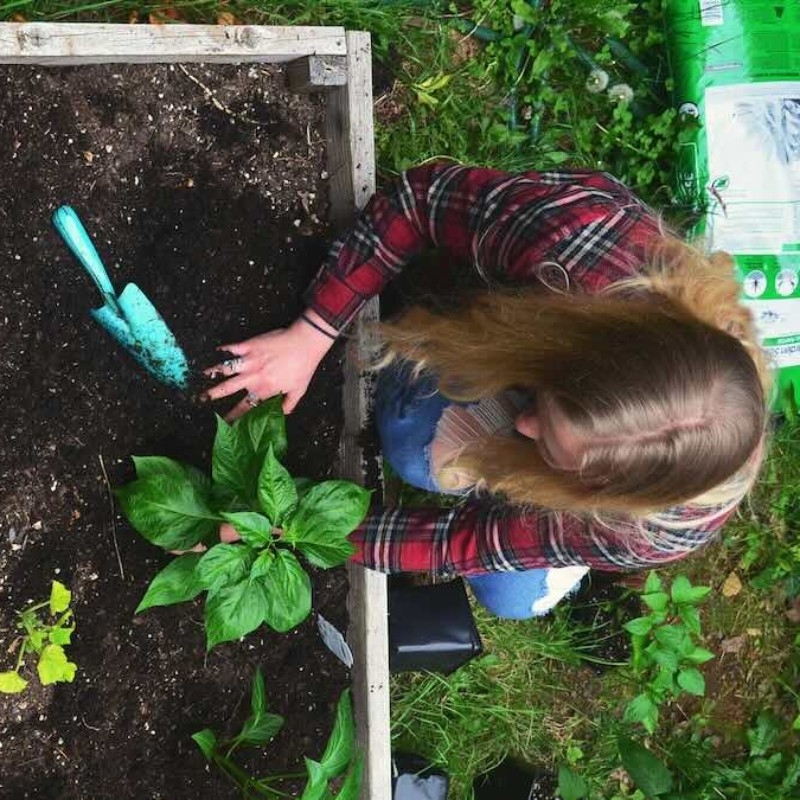
More and more young people find gardening inspiring. © Sayla Brown at Unsplash
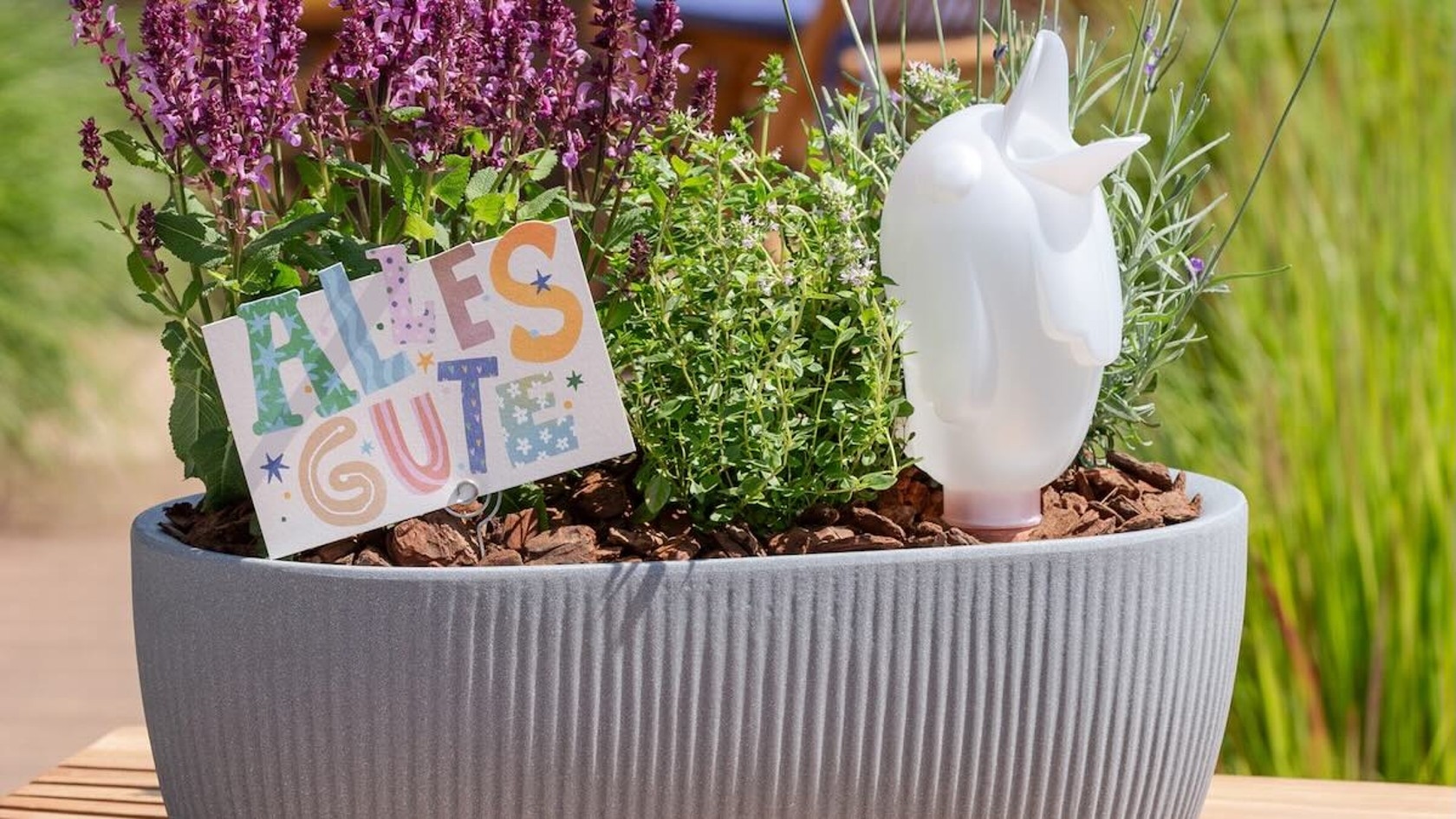
An Emotional Appeal: The Linetto Jardiniere Planter. © Scheurich GmbH & Co. KG
Contribution to work-life balance
For younger people, gardening is also a way to relax and slow down. Planting seeds or harvesting by hand, participating in natural processes, and working outdoors offer a chance to step away from everyday life. Recent studies show that Gen Z, in particular, values a healthy work-life balance. Gardening can contribute to this by fostering a greater sense of well-being. Working in the garden or on the balcony is fun, takes place in the fresh air, and teaches people about natural processes. For many, it is therefore a meaningful activity and a special experience that yields results relatively quickly.
Enjoying self-sufficiency
Members of Gen Z also have a strong awareness of sustainability and healthy eating. It therefore seems only natural that the megatrend of city gardening is catching on particularly among younger target groups. Young people are increasingly enjoying growing their own food and see great value in self-sufficiency—an urban trend that, according to recent consumer studies, is gaining widespread importance. Planting and harvesting herbs, fruits, and vegetables saves money, is enjoyable, and reflects a mindful lifestyle. Equally popular among younger people is the “urban jungle” trend, featuring large-scale indoor plant arrangements.

Among other things, unusual plant varieties are popular with Gen Z. © Tessa Edmiston at Unsplash

With themed areas such as Outdoor Adventure, spoga+gafa picks up on Gen Z trends.© Koelnmesse GmbH
Ideas for the garden industry
But what does all this mean for the gardening industry? First and foremost, it involves a shift in how we engage with customers: Even though traditional channels remain strong, social media is gaining significant influence, especially among Gen Z. The digital space should therefore be leveraged even more as a platform for inspiration and to expand reach. Better integration of social media and e-commerce remains another challenge. The approach to customer communication should also be reevaluated. The more time young people spend in the garden, the more they’ll seek out new inspiration, advice, or DIY ideas—with a focus on fun, unique experiences, and social interaction. An appealing presentation is therefore just as important as an emotional appeal.
Ongoing garden boom
In any case, gardening seems to be becoming increasingly appealing to Gen Z. Recent market forecasts predict that members of this generation will spend even more time gardening this year and invest more money in gardening products. Popular choices include, for example, rare varieties or groups of plants that benefit the local ecosystem. Products for growing edible greens are also enjoying sustained popularity. There is growing demand for gardening apps and smart gardening technology. When it comes to planters and garden furniture, the focus is on making the best use of available space, as young people often have smaller gardens or apartment balconies.
A platform for new garden trends
As the demand for experiences, relaxation, and nature continues to grow, so does Gen Z’s potential for the garden market. spoga+gafa offers a central platform to highlight this potential and leverage it in a sustainable way. As the world’s leading trade fair for garden lifestyle and BBQ, it brings together the entire product universe surrounding the garden experience. With fresh themed areas such as the “Outdoor Adventure” format, it also picks up on current Gen Z trends and thereby offers retailers, manufacturers, and designers forward-looking inspiration—because today’s youth are tomorrow’s target audiences.