
New guidelines for barbecue products
greensight talksCreation & Care
21.05.2026
2 min
by Leif Hallerbach
The EU’s Deforestation Regulation and other regulations are having an impact on barbecue products. We speak to Norbert L. Jedrau from the Barbecue Industry Association Grill e.V. (BIAG) about the new requirements and the associated market opportunities.
Outlook for the barbecue market
Dear Mr Jedrau, what trends have you observed in the German and international barbecue market over the past few years, and what are your expectations for 2026?
The barbecue market has proved resilient despite the exceptional circumstances of the COVID-19 years. Following a period of consolidation, stable growth has been evident again since 2024. Barbecuing has long been more than just a seasonal leisure activity – it represents an outdoor lifestyle, community and mindful enjoyment. Moderate and reliable market growth is expected up to 2026. Growth drivers remain high-quality appliances, innovations, accessories and fuels with a focus on quality and sustainability.
New rules for barbecue charcoal
From 2025, new rules on fuels will come into force in the EU, primarily through the Deforestation-Free Products Regulation (EUDR). What do these mean for manufacturers and consumers?
Sustainability is a key issue for the future. New European regulations on deforestation-free supply chains increase transparency and accountability throughout the value chain. For businesses, this means additional documentation and organisational effort, but at the same time it offers the opportunity to clearly communicate origin, quality and environmental standards. Consumers benefit from greater safety, traceable supply chains and a growing range of products certified to DIN E 1860 (a European standard specifying safety requirements, materials, construction and test procedures for barbecues, editor’s note).
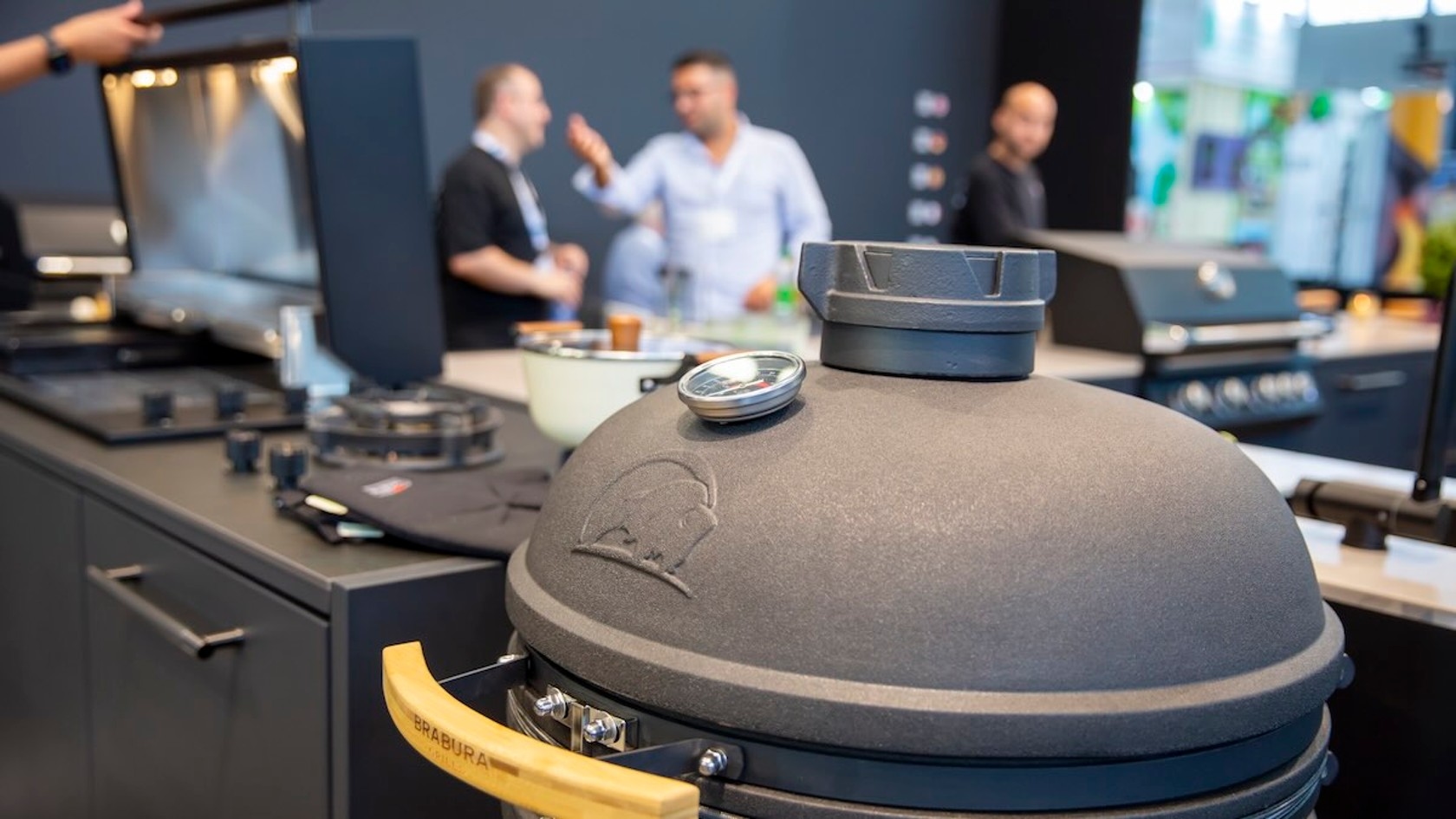
Today, new barbecues cover a wide range of innovations. © Koelnmesse GmbH

Norbert L. Jedrau from the Barbecue Industry Association Grill e. V. (BIAG). © Koelnmesse GmbH
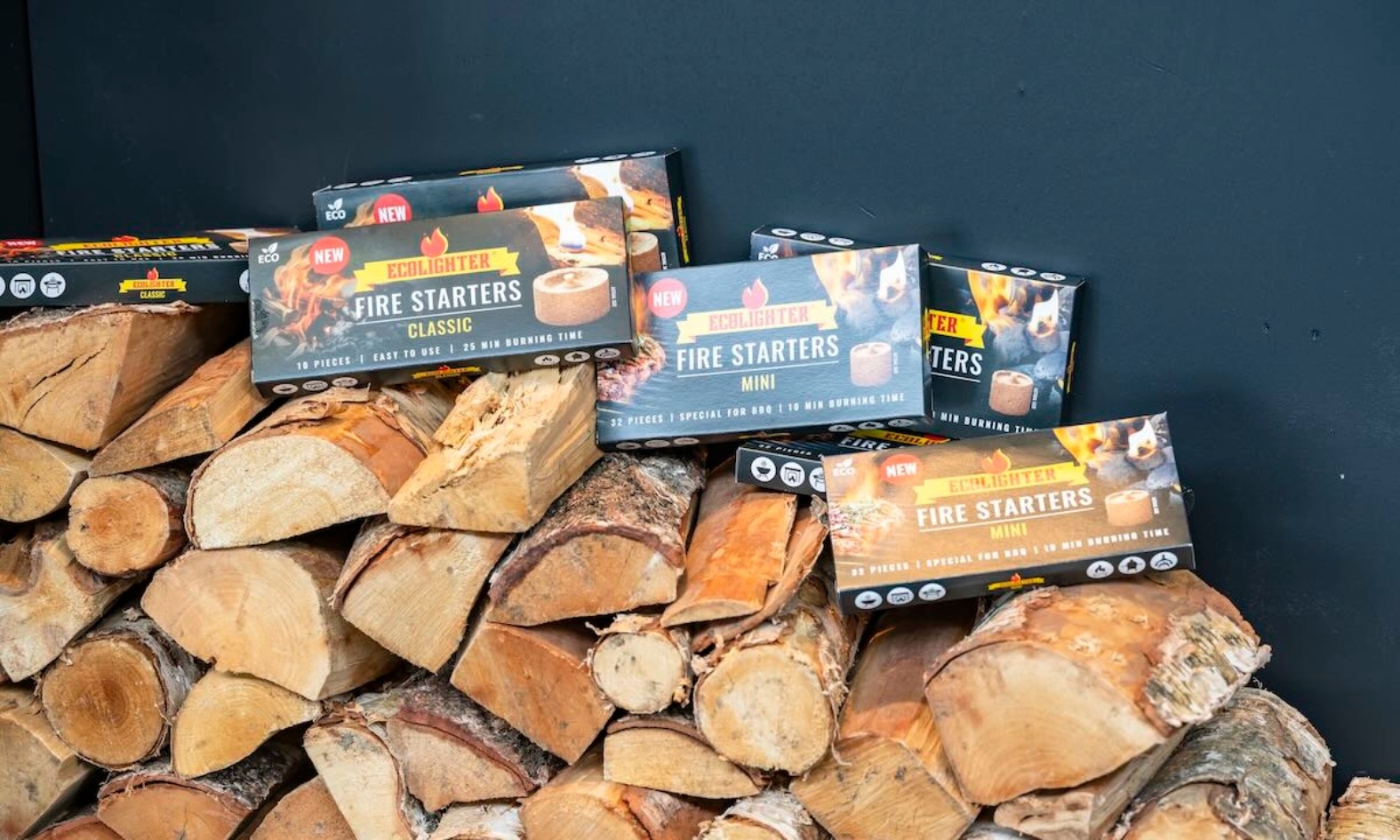
New European regulations are increasing transparency in supply chains. © Koelnmesse GmbH
Sustainable barbecue fuels
Sustainable barbecue fuels are becoming increasingly popular. Do you see this as a trend for the future?
Sustainable fuels are becoming significantly more important in the European BBQ market. Whether driven by consumer demand, regulatory requirements, or both – the charcoal industry is becoming increasingly transparent. Responsible sourcing of raw materials from sustainable resources and verifiable supply chains is already being developed through the EUDR. From the BIAG’s perspective, this is a long-term trend. It remains crucial that sustainability always goes hand in hand with product safety and quality. The European EN 1860 series of standards is decisive. In particular, EN 1860-2 defines binding requirements for barbecue charcoal and briquettes and ensures purity, safety and consumer protection. BIAG expressly supports sustainable innovations, provided they consistently meet the requirements of the EN 1860 series. Only the combination of environmental responsibility, regulatory clarity and fair competitive conditions ensures stable and sustainable market development.
Increasing regulatory complexity
Are there currently any other legal regulations that market participants need to adapt to?
At the same time, regulatory complexity is increasing. In addition to the General Product Safety Regulation (GPSR), the sector is affected by CE marking, the EU Gas Appliances Regulation, chemical safety requirements (CLP) for lighters, transport regulations under the IMO for charcoal, the Packaging Act, as well as developments regarding CO₂, REACH, PFAS and sustainability reporting. The pace of change remains high. It is precisely here that the added value of strong industry representation becomes apparent: BIAG pools expertise, monitors regulatory trends at an early stage and supports companies in ensuring legally compliant implementation through dialogue with policymakers, retailers and industry.
Current product and retail trends
What trends are you observing in appliance development?
In terms of products, the range of gas, charcoal and electric barbecues will continue to dominate in 2026. Modular systems, built-in solutions for outdoor kitchens and technological enhancements are gaining in importance. A broad field of innovation is emerging between smart high-tech barbecues and urban lifestyle concepts.
According to recent studies, high street retailers remain the primary point of contact for barbecue products. How do you assess the significance of online retail in this segment with regard to future developments?
In terms of sales, brick-and-mortar retail and online channels are increasingly complementing one another. Local retailers impress with their advice and service, whilst online offerings facilitate information and price comparisons. Overall, the online share is likely to continue growing without displacing brick-and-mortar retail. Successful concepts are those that intelligently combine advice, service and product range depth. Overall, the barbecue industry is well positioned: it combines tradition with innovation, responds to regulatory challenges and captures the spirit of the times with conscious, pleasure-oriented consumption. With this assessment, the BIAG underlines its expert analysis and sends a clear signal for dialogue and visibility in the run-up to spoga+gafa 2026.
The exhibitor search provides an overview of all exhibitors taking part in spoga+gafa 2026 across the product categories of barbecues, fuels, firelighters and barbecue accessories.